
Laws & Rules
Are Exotic Pets Legal Where You Live?
From reptiles and parrots to hedgehogs and sugar gliders, exotic pets are becoming increasingly popular. While these animals look unique and fascinating, keeping one isn't always as simple as buying one from a breeder or pet store. Laws and regulations vary widely between countries, states, and even cities, so it's crucial to understand the relevant regulations before bringing an exotic pet home.

What animals qualify as exotic pets?
Exotic pets generally refer to any animal that is not traditionally kept as a domestic companion. Common examples include:
- Snakes and lizards
- Turtle and tortoise
- Hedgehogs
- Sugar gliders
- Monkeys
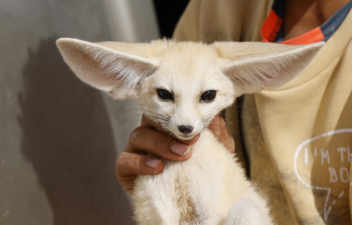
- Foxes
- Large parrots
- Tarantulas and scorpions
Some countries also classify certain wild cats, wolves, or hybrid animals as exotic pets.
Why are exotic pets regulated?
Governments regulate exotic pets for many reasons. Some species may pose a threat to public safety, while others, if released into the wild, could threaten local ecosystems. Many regulations also aim to protect the animals themselves, ensuring they are properly cared for and not illegally removed from their natural habitats.
In many places, owners may need permits, licenses, or proof of the animal's legal origin.
Laws Vary Significantly
There is currently no uniform law regarding exotic pets.
In some parts of the United States, certain exotic pets are legal with a permit, while others are completely prohibited.
The United Kingdom restricts the keeping of dangerous wild animals unless the owner obtains a special permit.
Australia has some of the strictest regulations in the world for the protection of native wildlife.
Many European countries manage endangered species according to international wildlife protection agreements.
Even if an animal is legal in one area, it may be prohibited several miles away.
What Should You Check Before Keeping an Exotic Pet?
Before adopting an exotic pet, be sure to understand the following:
Is the species allowed in your area?
Do you need a permit or license?
Are there minimum residency or welfare requirements?
Does your city or local government have any restrictions on keeping exotic pets?
Can you legally bring or travel with this animal?
Knowing these requirements in advance can help you avoid fines, animal confiscation, or other legal issues.
Final Reminder
Owning an exotic pet carries more responsibility than owning a regular cat or dog. Legal requirements vary by location, and regulations can change over time. Before making a decision, be sure to check the latest regulations in your area to ensure that you and your pet are protected by law.
Doing some research today can prevent major problems later and help you provide a safe and comfortable home for your exotic pet.